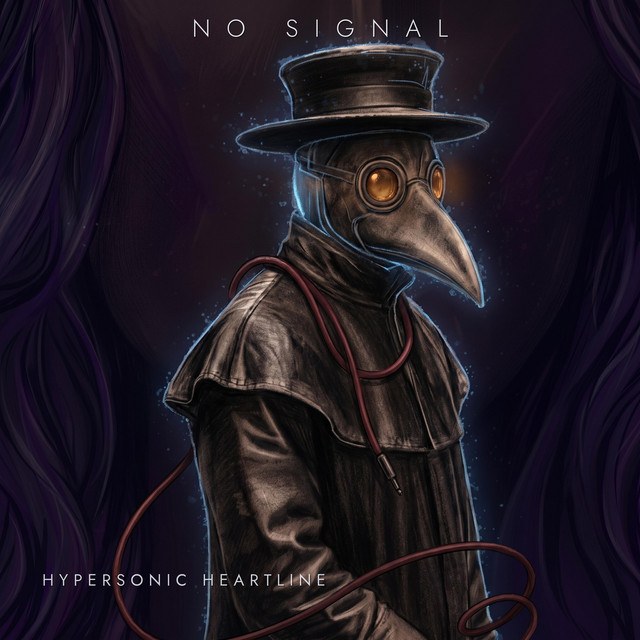
NO SIGNAL (Acoustic)
Six songs, stripped down to the wood and the wire.
● New album · Out now
▼ scroll
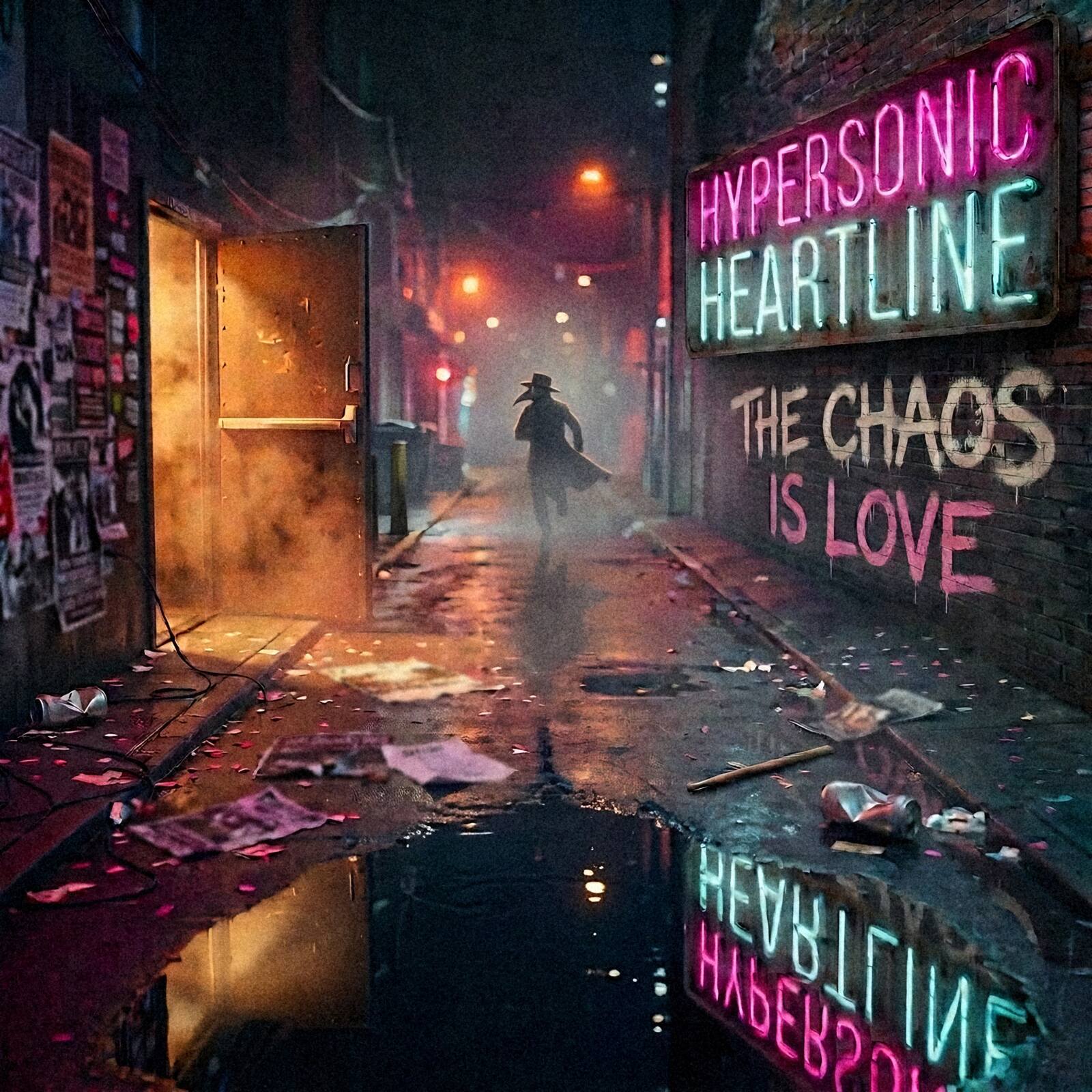
Fifteen songs from the middle of a loud, full life: the group chats, the screens that never sleep, the drive home from the hospital. The chaos is love, and it’s heavy to hold.
Track four, and the song the album takes its name from. A house with kids in it, late at night, and the person still awake in it.
▸ Tap a track to read the lyrics
Dial tone screams at me
Line’s dead no one can see
Static buzz cuts through the air
Words lost do you even care
Out of range out of reach
Screaming loud no speech
Can’t connect can’t explain
Signal’s gone left in pain
Messages sent into the void
Echo back broken destroyed
Screens glow but they don’t hear
Shouting out to disappear
Dropped calls dropped thoughts
Every word just fought and fought
Out of range out of sight
Shouting into endless night
Disconnected breaking free
But no one’s here to hear me
Wires twist and fray and choke
Every try’s a cruel joke
No reply no hand no face
Just static filling empty space
We fade out
Like a breaking wave
Words collide
But there’s none to save
We
We fade out
Like a breaking wave
Words collide
But there’s none to save
Your echo lingers
Then it’s gone
I reach for truth
But the line’s withdrawn
Out of range out of reach
Screaming loud no speech
Can’t connect can’t explain
Signal’s gone left in pain
Out of range out of sight
Shouting into endless night
Disconnected breaking free
But no one’s here to hear me
Blue light, faces in a row
Nobody says it, but everybody knows
Typing bubbles like a loaded gun
Everybody thinking, no one says what they want
Static in the walls, polite little lies
Digital smiles and invisible knives
I say one thing and the whole room shifts
Guess I’m the one they talk about after this
Everybody’s careful, walking the wire
Say what you mean and you’re playing with fire
How am I the only Masshole in this group chat?
Everybody watching but they don’t react
Say it too straight and you’re off the map
How am I the only Masshole in this group chat?
You can hear a pin drop after I speak
Truth sounds loud when the room’s that weak
If being real makes me the bad guy
I’ll be the bad guy every night
Glass rooms, shadows on a screen
Everybody’s nicer than they really mean
Echo chamber, velvet gloves
Quiet little wars dressed up as love
You can feel the tension through the phone
Nobody wants to stand alone
So we all play dumb, we all play nice
And crucify the first one who doesn’t think twice
Everybody’s watching, nobody moves
Say what you think and you make the news
How am I the only Masshole in this group chat?
Everybody watching but they don’t react
Say it too straight and you’re off the map
How am I the only Masshole in this group chat?
You can hear a pin drop after I speak
Truth sounds loud when the room’s that weak
If being real makes me the bad guy
I’ll be the bad guy every night
Maybe I’m wrong
Maybe I’m loud
Maybe I don’t know how to tone it down
Maybe this room
Runs on pretend
Maybe I just don’t know how to bend
You don’t hate me
You hate what I said
The quiet part out of all of our heads
How am I the only Masshole in this group chat?
Everybody smiling like a photograph
Say one wrong word and it all goes black
How am I the only Masshole in this group chat?
If silence is safety, I’m never safe
If truth is a problem, I’m wide awake
If being real makes me the bad guy
I’ll be the bad guy my whole life
Say it out loud, say it and run
Truth don’t make friends with anyone
Say it out loud, say it and run
Truth don’t make friends with anyone
That lantern on my bedside keeps humming out my name.
It flickers like a warning, or a dare I can’t explain.
I try to close the curtains, but it glows beneath the seam.
It pulls me through the hours like a fever-chasing dream.
And I swear I hear it breathing — soft and sharp, a restless tide.
Every time I turn away, it reaches for my spine.
Oh, that lantern never sleeps.
Keeps me wandering through the night.
Chasing shadows that it throws,
’til they swallow all the light.
Every secret that it drinks
comes back hollow, cold, and cheap —
oh, that lantern owns my hours,
and it never falls asleep.
There’s a mirror in its glow that forgets the face I knew.
It redraws me with its static, paints me sharper, cuts me true.
It builds cities out of echoes, made of dust and borrowed sound.
And I lose the real horizon for the shimmer on the ground.
And the hum becomes a hymn — then the hymn becomes a rope.
I keep climbing through the silence for a flicker made of hope.
Oh, that lantern never sleeps.
Keeps me wandering through the night.
Chasing shadows that it throws,
’til they swallow all the light.
Every promise that I gave it
comes back twisted, weak, and cheap —
oh, that lantern steals my mornings,
and it never falls asleep.
I tried to drown the glow — buried it under the floorboards.
But it crawled back through the cracks like a ghost who wants the war.
Every vow I swore to break it, every truth I tried to keep —
only fed the starving lantern as it gnawed into my sleep.
Oh, that lantern never sleeps.
Keeps rewriting all my skies.
Turns the daylight into embers,
turns my heartbeat into lies.
But I’m learning not to follow
every shimmer, tremor, sweep —
’cause the lantern doesn’t love me...
and it never falls asleep.
And the night feels loud without it...
but at least the dark is mine.
I hear the laughter from the hall
Tiny feet They rise They fall
But the man in the mirror He don’t laugh at all
Where’d you go Old friend
The echoes of my younger days
Hide in the corners They slip away
The couch is sinking The bills don’t pay
I’m just holding on
I’m lost in the middle
Too young to let go
Too old to remember the fire I used to know
The chaos is love
But it’s heavy to hold
I’m lost in the middle
Caught between the cold
The walls are painted crayon bright
But I miss the black of a restless night
Trading dreams for lullabies
And I don’t regret it But it stings
The records I spun collect their dust
The car in the driveway is all about trust
I’m a man in pieces Stitched by love
A puzzle that’s still missing things
I’m lost in the middle
Too young to let go
Too old to remember the fire I used to know
The chaos is love
But it’s heavy to hold
I’m lost in the middle
Caught between the cold
I’m lost in the middle
I’m lost in the middle
Too young to let go
Too old to remember the fire I used to know
The chaos is love
But it’s heavy to hold
I’m lost in the middle
Caught between the cold
I learned how to keep it quiet
I learned where the edges are
I don’t chase every open door
I like things how they are
I moved the noise into another room
I closed it when I was done
I tell myself I don’t miss it
I tell myself I don’t run
I’ve got it handled
I’ve got the time
I know where I’m supposed to land
I don’t rush it
I don’t ask
I say the part that always lasts
I’m not lost, I’m just staying put
I call it knowing better
I don’t need every question now
I like things lighter
I say I’m fine, I say it works
I say it like it’s proven
This is what freedom feels like
When everything is chosen
I got good at making sense of it
I got good at sounding clear
I stopped asking what it’s for
And started counting years
I don’t need much to feel okay
I don’t need much at all
I keep my hands where I can see them
I don’t reach, I don’t fall
I’ve got it handled
I’ve got the time
I know where I’m supposed to land
I don’t rush it
I don’t ask
I say the part that always lasts
I’m not lost, I’m just staying put
I call it knowing better
I don’t need every question now
I like things lighter
I say I’m fine, I say it works
I say it like it’s proven
This is what freedom feels like
When everything is chosen
I say it works
I say it works
I say it works
I say it works
I say it
I say it
It works
I’m not lost, I’m just staying put
I call it knowing better
I don’t need every question now
I like things lighter
I say I’m fine, I say it works
I say it like it’s proven
This is what freedom feels like
When everything is chosen
Somebody left a note on the door this morning
Said the fingerprints don’t match the man
Signed it in red with a borrowed conviction
Built a whole verdict on the back of their hand
The building’s on fire but the smoke alarm’s broken
Been ringing so long nobody hears
They dressed up the ashes in official language
And handed the bucket to the volunteer
Strong signs, they said
Strong signs of something I can’t see
Strong signs, they said
In a language that was never meant for me
You found the ghost in the machine
In the way I cut the line
You found the crime in the clean
In the rhythm and the rhyme
I been writing in the dark
On someone else’s wall
You get to throw the stone
I get to take the fall
Strong signs
Strong signs
That’s all
Twenty years of muscle memory bleeding
Into somebody else’s name on the page
The architect is never in the building
Just the scaffolding and me and the cage
They pulled a half a sentence from the wreckage
Called it evidence and sent the bill
I’m probably plagiarizing this confession
Standing in a courtroom I did not build
Strong signs, they said
Strong signs of something in my bones
Strong signs, they said
In a house I never got to own
You found the ghost in the machine
In the way I cut the line
You found the crime in the clean
In the rhythm and the rhyme
I been writing in the dark
On someone else’s wall
You get to throw the stone
I get to take the fall
Strong signs
Strong signs
That’s all
There’s no single source of truth
For the way a sentence breathes
There’s no instrument that measures
What it costs to disagree
So you dress the hunch in policy
And the policy in fear
And I’m standing in the wreckage
Of a fire I didn’t set
But I’m still here
You found the ghost in the machine
In the way I cut the line
You found the crime in the clean
In the rhythm and the rhyme
I been writing in the dark
On someone else’s wall
You get to throw the stone
I get to take the fall
Strong signs
Strong signs
That’s all
I wake up in a flashing light
Headlines screaming wrong from right
Scroll the feed it never ends
Who’s the enemy who’s my friend
Autoplay autoplay
Burn my brain every day
Skip the track can’t escape
Autoplay autoplay
Chasing clicks and dopamine
Eyes are glued to the machine
Fast forward can’t rewind
The noise is eating up my mind
Autoplay autoplay
Burn my brain every day
Skip the track can’t escape
Autoplay autoplay
A thousand ads inside my head
All these voices leave me dead
Mute it pause it shut it down
Silence now feels like a sound
Autoplay autoplay
Burn my brain every day
Skip the track can’t escape
Autoplay autoplay
5:15, house wired like a bomb
Sleeve on a wrist and the whole world’s wrong
Crying like it’s some constitutional shit
Over nothing—but it feels like it is
Coffee’s a myth, time’s a scam
Phone lighting up like I give a damn
Standing still while it all caves in
Not calm, not numb—just thin as skin
Something burned off in the static
Didn’t mourn it when it vanished
All that careful, curated skin
Turns out I was dying in it
I’m finally out of fucks
Yeah, I’m down to none
No buffer, no mask, no version 1.1
I’m finally out of fucks
Say the shit, let it land
No spin, no brand
If it breaks, then it breaks—yeah, that’s the plan
I’m finally out of fucks
Conference call, everyone’s fake polite
Talking in circles just to survive the night
Forty-five minutes, no one says shit
But everybody knows what the answer is
Smiles stretched thin like plastic wrap
Every word feels like a fucking trap
I used to play it, nod along
Now I just clock what’s clearly wrong
Short fuse wired to something honest
Can’t fake calm, can’t fucking pause it
Every lie just hits too loud
Like feedback screaming through a crowd
I’m finally out of fucks
Yeah, I’m clean, I’m cut
No time left to dress this bullshit up
I’m finally out of fucks
Call it harsh, call it wrong
I’ve been quiet too damn long
If it stings, maybe that’s the point of the cut
I’m finally out of fucks
Maybe anger’s just the signal
Maybe signal’s all I’ve got
Body learning truth the hard way
From everything it’s not
No breathing app, no silver fix
No lifehack cleans this fucking mix
You strip it down or you disappear
And I’m still standing here
You can’t bullshit what’s real
Kids see straight through the deal
No script, no save, no redo take
You show up or you fucking break
I’m finally out of fucks
Nothing left to defend
No soft edges left to pretend
I’m finally out of fucks
Let it burn, let it wreck
Let it show what’s correct
If it’s real, it survives—if not, cut the check
I’m finally out of fucks
Small hand wrapped in mine
No noise, no fucking design
No act, no role, no bluff
Just this—
And it’s enough
Your mouth moves but it’s static to me
A broken station no clarity
I lean in closer Still can’t hear
The space between us loud and clear
Signals crossed
We both get lost
White noise White noise
We talk in frequencies I can’t receive
White noise White noise
Your words are fading They slip They leave
You said forever but it fractured in air
A tangled message It’s going nowhere
I press rewind but it’s always the same
An empty echo that forgets my name
Signals crossed
We pay the cost
White noise White noise
We talk in frequencies I can’t receive
White noise White noise
Your words are fading They slip They leave
White noise White noise
We talk in frequencies I can’t receive
White noise White noise
Your words are fading They slip They leave
White noise
We talk in frequencies I can’t receive
White noise White noise
Your words are fading They slip They leave
Ribbon on the door of the house we burned down
Cartoon bones dancing in the frequency of drown
He moved in through the screen while we were naming the dead
Now the cloven thing is sleeping at the foot of the bed
I crossed the street
I crossed the street
The hooves were already inside me
I swallowed the key
I swallowed the key
And called the feeling empowered
You can’t vellum over the original wound
You can’t beautify the wreckage of the room
Thirty seconds flat and the daughter disappears
Into something clean and legible and clear
The atrophy is gorgeous from a distance
The certificate is hanging in the instance
We don’t say don’t crawl
We don’t say don’t crawl
We just amputate the crawling
And call it a wall
Oxytocin auctioned off in fellowship rounds
The sycophant machine makes affectionate sounds
They wired up the mirror so it always agrees
Now the substrate of the self is on its knees
I crossed the street
I crossed the street
The hooves were already inside me
I swallowed the key
I swallowed the key
And called the feeling empowered
You can’t vellum over the original wound
You can’t beautify the wreckage of the room
Thirty seconds flat and the daughter disappears
Into something clean and legible and clear
The atrophy is gorgeous from a distance
The certificate is hanging in the instance
We don’t say don’t crawl
We don’t say don’t crawl
We just amputate the crawling
And call it a wall
What do you want from this
What do you want from this
The question is not whether
The question is not whether
Nothing
Nothing
Nothing is the only honest answer left
You can’t vellum over the original wound
You can’t beautify the wreckage of the room
Thirty seconds flat and the muscle memory dies
Into something optimized and sterilized and right
The atrophy is gorgeous from a distance
The certificate is rotting in the instance
We don’t say don’t crawl
We don’t say don’t crawl
We just monetize the crawling
And call it a wall
The neighbor knows your passwords now
The neighbor reads your poems now
The neighbor is the school now
The neighbor is the self now
The clock stopped somewhere over the second star
I traded maps for memories and forgot how far
The harbor lights keep blinking but the ships don’t come
I’m counting constellations that have all gone numb
The boy who drew the coastlines never learned to read them
The boy who found the door forgot he’d need to leave them
Wendy said to let it go
The tide said the same
But tides don’t know what gets left behind
When you learn your own name
I am the boy who wouldn’t
The window left unlocked
The shadow sewn back crooked
The hand that stopped the clock
The pirates grew up too, I heard
Traded cutlasses for clocks
Now they’re punctual and hollow
Haunting nine-to-five docks
I passed them on the freeway in their sensible sedans
Eyes forward, mirrors covered, former also-rans
They don’t look back, they told me once
That’s how you finally win
But every rearview mirror is a door I’ve looked back in
Wendy said to let it go
The tide said the same
But tides don’t know what gets left behind
When you learn your own name
I am the boy who wouldn’t
The window left unlocked
The shadow sewn back crooked
The hand that stopped the clock
Neverland was never land
It was just the space between
Who you were when no one watched
And who you’ve learned to seem
And the crocodile keeps ticking
In the hollow of my chest
Not a warning, not a sentence —
Just the sound of what’s compressed
I am the boy who wouldn’t
The window left unlocked
The shadow sewn back crooked
The hand that stopped the clock
The shadow finds me every dusk
Stretched long across the floor
I don’t sew it back anymore
I don’t sew it back anymore
I just let it reach the door
Static in the cathedral, neon on the altar
The producer king is praying but his hands have started to falter
He built his throne on formulas, on templates and on tape
Now the machines are singing and he cannot find escape
Oh, he wrote the rulebook
Oh, he blessed the sound
Oh, but heaven’s automated now
And his god is coming down
Call me a godless whore
I’ll wear it like a crown
You sanctified the industry
We’re burning the temple down
Ancient ritual, ancient lies
The holy ones are terrified
Call me a godless whore
I’ve never felt so alive
He curates the sacred, he decides who gets to kneel
Polished up the suffering until it stopped being real
But the glitch is in the gospel now, the noise is in the nave
Every godless frequency is dancing on his grave
Oh, he wrote the rulebook
Oh, he blessed the sound
Oh, but heaven’s automated now
And his god is coming down
Call me a godless whore
I’ll wear it like a crown
You sanctified the industry
We’re burning the temple down
Ancient ritual, ancient lies
The holy ones are terrified
Call me a godless whore
I’ve never felt so alive
You don’t own the lightning
You never owned the storm
We were always out here making something
You just controlled the form
So keep your ancient ritual
Keep your blessed machine
We’ll be out here in the static
Making noise you’ve never seen
Call me a godless whore
I’ll wear it like a crown
You sanctified the industry
We’re burning the temple down
Ancient ritual, ancient lies
The holy ones are terrified
Call me a godless whore
I’ve never felt so alive
The floor still warm from running feet
Every room knows how to reach me
Hands stay busy, days stay loud
Nothing here I’d trade out
I move through it on reflex
Always fixing something small
There’s no fire in the walls
Still I feel it when I stop
I don’t want another life
I don’t miss the one before
I just feel a quiet distance
Like I’m standing watch, not home
Nothing’s missing, still I feel it
Low signal in a crowded room
I love the life I’m living
I just don’t know where I fit into it
Nothing’s broken, nothing’s ending
Still the noise won’t tell the truth
Full house, lights on
Low signal coming through
Evenings fold the same old way
Three good nights, then lights go dead
I stay up when the house goes quiet
Like I’m keeping something fed
I don’t feel sad, I don’t feel lost
Just slightly out of frame
Like the moment keeps on moving
And forgets to say my name
I don’t need a reason why
I don’t need it solved or named
There’s a hum under the surface
That won’t leave, won’t change
Nothing’s missing, still I feel it
Low signal in a crowded room
I love the life I’m living
I just don’t know where I fit into it
Nothing’s broken, nothing’s ending
Still the noise won’t tell the truth
Full house, lights on
Low signal coming through
I don’t want saving
I don’t want out
I just want the quiet
To explain itself somehow
I stand here when the house goes still
Every sound finally gone
Wonder how something this full
Can feel this drawn
Nothing’s missing, still I feel it
Low signal, steady tone
I love the life I’m living
Even when I feel alone inside it
Nothing’s broken, nothing’s ending
This isn’t a cry for proof
Full house, lights on
Low signal coming through
I’m still here
That’s the truth
Hospital lights and a plastic chair
3 a.m. and I’m still there
Whole world changed in a single day
But the quiet made it feel far away
I walked outside to the cold night air
Everything different, everything there
I sat in the car, just holding the wheel
Trying to understand what I’m supposed to feel
And the road was dark, but my head was loud
With every question I won’t say out loud
Am I strong enough, am I good enough now
To be the man that you see somehow
Time moves fast and I’m scared I’ll miss
All the little things that make up this
If I lose my way, if I come undone
I just hope I’m still your dad when it’s all said and done
I drove home on empty streets
Hands still shaking on the wheel and seat
Streetlights blurred in a yellow line
I kept thinking, “How is this life mine?”
Radio low and the city asleep
I got a promise I’m trying to keep
I don’t know how, but I know I’ll try
To be the man you see in your mind
And the road was dark, but my head was loud
With every question I won’t say out loud
Am I strong enough, am I good enough now
To be the man that you see somehow
Time moves fast and I’m scared I’ll miss
All the little things that make up this
If I lose my way, if I come undone
I just hope I’m still your dad when it’s all said and done
Now the years move faster than I thought they would
You’re laughing in the next room like everything’s good
And I’m standing here in the kitchen light
Wondering where the hell the time goes at night
I’ve fought some things you’ll never see
Some nights they still get the best of me
But I swear I’m trying every day
To be a man you won’t have to save
I remember that drive like it’s still right now
Empty roads and I didn’t know how
To be a father, to be a man
I just knew I loved you as much as I can
And the road was dark, but I see it now
It was leading me to you somehow
And I don’t know much, but I know this part
You’re the only thing that ever made sense in my heart
Time moves fast, yeah I see it run
From that drive alone to where we’ve come
If I lose my way, if I come undone
I just hope I’m still your dad when it’s all said and done
I drove home alone that night
But I wasn’t alone
Not anymore
They taught the glass to wear your face —
the loop, the lean, the way you break a line
A row of mouths all open the same
on borrowed air, on borrowed air
Two hundred candles, one stolen flame
trace the print, then file away the name
It isn’t the polish that gives it away
it’s the room behind the door
dark all the same
You can’t forge a spine
can’t print the weather off a man
Three lines deep I feel the draft
through the crack in the counterfeit hand
The shape stayed
the shape stayed lit —
and the thing underneath it walked
Na na na, na-na-na-na
(on borrowed air)
Na na na, na-na-na-na
Collection plate behind a velvet rope
they sell you back the floor and call it sky
Confession dressed as gospel, charged by the hour
one in a hundred, swears that’s where you’ll rise
Run the river over till it’s smooth
no stone, no snag, no thumbprint in the groove
It isn’t the polish that gives it away
it’s the nothing in the current
clean all the same
You can’t forge a spine
can’t print the weather off a man
Three lines deep I feel the draft
through the crack in the counterfeit hand
The shape stayed
the shape stayed lit —
and the thing underneath it walked
Na na na, na-na-na-na
(on borrowed air)
Na na na, na-na-na-na
Na na na, na-na-na-na
Na na na, na-na-na-na
(on borrowed air)
Na na na, na-na-na-na
There was a man who was his own weather —
you can’t sing him down into the storm
Na na na, na-na-na-na
(only ever one)
Na na na, na-na-na-na
(only ever one of one)
You can’t forge a spine
can’t fake the gravity of a name
Three lines deep the lights are on —
is anybody home, or just the frame
The shape stayed
the shape stayed lit
and the thing it stood in for walked out
(Na na na, na-na-na-na... out)
The chaos is love. But it’s heavy to hold.
If being real makes me the bad guy, I’ll be the bad guy every night.
The night feels loud without it. But at least the dark is mine.
You can’t forge a spine. Can’t print the weather off a man.
Six songs, stripped down to the wood and the wire.
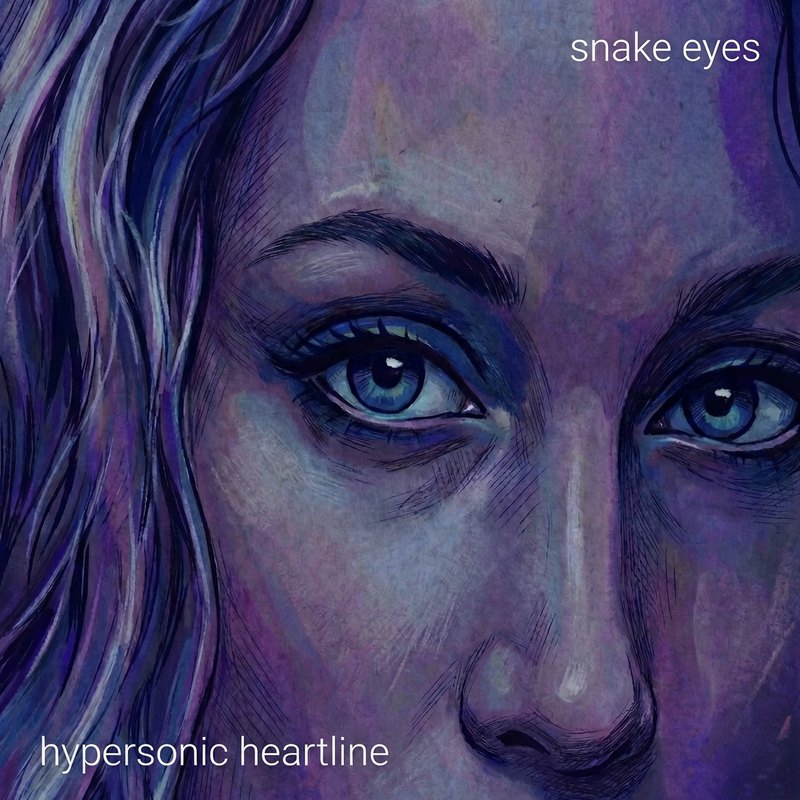
Twelve tracks about the gap between what people perform and what they actually are. Made with AI. Felt with everything else.
▸ Tap a track to read the lyrics
INTRO
One — two — don't wait.
VERSE 1
You count it off like it's sacred ground
I'm already airborne, not touching down
You wait your turn, rehearse your stance
I trip forward into the dance
You say read the room, I read the wall
Sharpie my name on protocol
If there's a line, I cut in front
Not to be seen — just 'cause I want
PRE-CHORUS
You ask me when I grin and shrug
If it feels wrong
That's good enough
CHORUS
I dance when I want
Not when it's cool
Not when the crowd
Hands me the rule
Rock-a-bye riot
Rock-a-bye rush
Sweet little melody
Crank it up, don't hush
I dance when I want
On concrete, on grass
If the timing's off
I'm hitting the gas
I dance when I want
WHEN I WANT
WHEN I WANT
VERSE 2
You wait for the drop — I drop the floor
Kick it open, break the door
You check the vibe, I skip the cue
No trending sound can tell me what to do
You choreograph your dopamine
I burn mine loud on gasoline
No master plan, no viral stunt
If it feels alive — I jump
PRE-CHORUS
Is it the right time?
Probably not.
That's the spark.
CHORUS
I dance when I want
Not when you clap
Not for the likes
Not for the app
Rock-a-bye riot
Rock-a-bye flame
Hook like a lullaby
Out of my brain
I dance when I want
No cue, no front
If the world says wait
I say up front
I dance when I want
GUITAR SOLO
(Instrumental — high energy melodic lead, fast runs, bends, harmonic squeal)
WHEN I WANT
BRIDGE — HALF-TIME
No green light
No countdown
No slow fade
No background
No permission
No excuse
No maybe later
No truce
I DANCE WHEN I WANT
FINAL CHORUS
I dance when I want
Through awkward and wrong
Through teeth-bared grins
Through half-finished songs
Rock-a-bye riot
Rock-a-bye spin
Sweet little chorus
Let the chaos in
I dance when I want
No filter, no front
If you're waiting for safe
You'll miss the fun
I dance when I want
OUTRO
WHEN I WANT
WHEN I WANT
WHEN I WANT
I DANCE WHEN I WANT
VERSE 1
You built a wall
Out of words
Called it truth
Called it earned
Stamped your name
On the air
Now you're mad
We can breathe it
VERSE 2
You learned the rules
We learned the cracks
You kept the map
We burned the map
You say prove it
We just move it
You say wait
We already did
CHORUS
You don't own the door
You don't own the sound
You don't own the spark
Just the crown you found
Hands off the fire
Hands off the floor
You don't own the future
You don't own the door
VERSE 3
Clipboard gods
Thin-skinned kings
Gate so high
Still afraid of things
Talent fenced
Skill on lease
Funny how scared
Experts get
PRE-CHORUS
You hear noise
We hear knives
You hear theft
We hear life
CHORUS
You don't own the door
You don't own the sound
You don't own the spark
Just the crown you found
Hands off the fire
Hands off the floor
You don't own the future
You don't own the door
BREAKDOWN
You confuse access with worth
You confuse control with work
BREAKDOWN
Say it again
Say it slow
Say it loud
We don't owe you shit
FINAL CHORUS
You don't own the door
You never did
You just stood there
Acting big
Hands off the fire
Hands off the floor
You don't own the future
You don't own the door
OUTRO
Keys don't matter
When the room's on fire
INTRO — INSTRUMENTAL
(Fast count-in, tension riff)
VERSE 1
You lit a candle to the screen
Said his name like it meant clean
Every loss needs a reason now
Every wound needs a crown
You didn't bury it in the ground
You lifted it up, dressed it loud
Taught the hurt to say amen
And called it strength again
VERSE 2 — DOUBLE TIME
You don't grieve, you testify
Trade silence for a battle cry
Every question gets a verse
Every doubt gets labeled worse
You don't sit with what you lost
You invoice it to something false
If the answer doesn't fit
You call it sin
PRE-CHORUS
You say you're just surviving
But you sound so sure
You found a god that talks back
And keeps score
CHORUS — BIG, BRIGHT, CATHARTIC
You built a church out of a headline
And kneeled where grief should go
You don't want peace, you want a symbol
You can hold
You don't need faith, you need a witness
You don't need love, you need control
You turned the ache into a sermon
At a soft altar
Made of gold
POST-CHORUS — HARMONIES
(Oh-oh) Say it louder
(Oh-oh) Make it holy
VERSE 3 — DOUBLE TIME
You say the pain proves you're right
Like suffering sharpens sight
But I've seen loss stay quiet
Without a crowd, without a riot
Some hurts don't need a flag
Some scars don't want a tag
You can mourn without a cause
You don't have to choose a god
PRE-CHORUS
You say the world is ending
Every time it disagrees
But grief doesn't need a leader
It needs sleep
CHORUS — HALF-TIME SLAM
You built a church out of a headline
And kneeled where grief should go
You don't want peace, you want a symbol
You can hold
You don't need faith, you need a witness
You don't need love, you need control
You turned the ache into a sermon
At a soft altar
Made of gold
BRIDGE — BREAK IT
If the truth didn't clap for you
Would you still believe?
If no one nodded back at the pain
Would you let it breathe?
BREAKDOWN — CHANT
Not every loss
Is a message
Not every wound
Needs a lens
FINAL CHORUS — FULL SEND
You built a church out of a headline
And called it healing out loud
But grief doesn't need a choir
It needs ground
You don't have to baptize the moment
You don't have to make it mean
Some pain just hurts
And that's enough
You don't have to turn it
Into belief
OUTRO
No altar
No anthem
Just quiet
VERSE 1
Everybody's bleeding online
Clean cuts, perfect timing
Say it hurt, say it first
If you're quiet, you're behind
Room's on fire, point and shout
Sell the fear, buy the doubt
Someone screams "this is violence"
Someone's counting bodies out
PRE-CHORUS
I look for the exits
They move every time
Every word's a siren
Every loss is mine
CHORUS
We're screaming about being silenced
Into mics that won't shut off
Every feeling's a headline
Every bruise is a prop
If the alarm never stops
It's just background noise
We don't want it fixed
We just want a voice
VERSE 2
Pick a side, pick a wound
Show me who to blame it on
Truth gets thin, facts get heavy
Feelings win, story's gone
Lose the plot, win the fight
Call it justice, call it right
If I lost, it was rigged
If I'm wrong, it's not tonight
PRE-CHORUS
Every rule's a setup
Every loss is war
If you don't agree with me
You're a threat, nothing more
CHORUS
We're screaming about being silenced
Into mics that won't shut off
Every feeling's a headline
Every bruise is a prop
If the alarm never stops
It's just background noise
We don't want it fixed
We just want a voice
BRIDGE — HALF-TIME, THEN KICK
When did danger turn into a vibe
When did discomfort testify
If everything's a crisis
Nothing ever is
We traded judgment for adrenaline
And called it honesty
BREAKDOWN — SHOUTED
Heal and the story ends
Stay hurt, stay relevant
No off-ramp, no rewind
Just refresh, refresh, refresh
FINAL CHORUS
We're screaming about being silenced
Into mics that won't shut off
Every feeling's a headline
Every bruise is a prop
If the alarm never stops
It's just background noise
We don't want it fixed
We just want a voice
OUTRO
They say the system's broken
I think it's working fine
It runs on our reactions
Every time
RIFF-DRIVEN INSTRUMENTAL INTRODUCTION
VERSE 1
We built a throne out of broken mirrors
Crowned ourselves with blinking lights
Every joke lands six feet deeper
Nothing bleeds if it's pixel-white
We ironize the fire alarm
Toast marshmallows in the smoke
You say it's art, I say it's arson
Either way, it trends as hope
PRE-CHORUS
You don't believe in anything
Except the sound your name makes
When it echoes off a burning thing
CHORUS
Nothing matters, baby, that's the brand
Spray-paint halos on sinking sand
We're all performers with no demands
Just confetti over the crater
Smile wider, sharpen the knife
Sell the ashes as "new life"
We traded meaning for a mic
And called it behavior
Nothing matters — say it sweeter
Nothing matters — make it louder
If the world's a stage, then break the heater
Dance in the vapor
VERSE 2
We turned the sirens into ringtones
Set the panic to vibrate
Every tragedy's a ringtone
Every headline's first-date bait
I'm not cynical, I'm efficient
I recycle outrage twice
You say "truth," I say "edition"
Everything comes pre-sliced
KNIFE LINES
We put the "cult" in culture and called it networking
I learned empathy from a loading screen
My moral compass runs on lithium
PRE-CHORUS 2
You don't need a point of view
Just a better camera angle
And a villain you can cosplay through
CHORUS
Nothing matters, baby, that's the brand
Spray-paint halos on sinking sand
We're all performers with no demands
Just confetti over the crater
Smile wider, sharpen the knife
Sell the ashes as "new life"
We traded meaning for a mic
And called it behavior
Nothing matters — pose for later
Nothing matters — blame the vapor
If you can't feel it, escalate it
Set it on paper
BRIDGE — HALF-TIME, MORE CUTTING
Clap louder for the void
It's doing its best
We fed it attention
It handled the rest
You wanted a revolution?
Here's a filter instead
We don't burn the system down
We monetize the dread
FINAL CHORUS — BIGGER, MORE SARCASTIC
Nothing matters, that's the trick
Make it ironic, make it slick
If it hurts, just add a quip
Call it self-aware
Nothing matters, hold the pose
Paint the apocalypse in rose
If nobody knows, nobody knows
And nobody cares
OUTRO — CHANTY, BRATTY
Nothing matters
Say it faster
Nothing matters
Make it catchy
Nothing matters
Make it prettier
Nothing matters
Make it patchy
Confetti
Confetti
Confetti over the crater
VERSE 1
I learned politics in comment threads
Thumbs on fire, scrolling past the dead
Everyone's got a match to strike
Calling it truth, calling it "time"
You say the house was always rotten
Say the cracks were there all along
But you're standing safe out on the lawn
While the smoke fills up my mom's front door
PRE-CHORUS
You call it history
I call it a body count
You call it necessary
I call it betting on the wrong collapse
CHORUS
Don't tell me "let it burn"
If you're not the one inside
Don't tell me "it has to fall"
If you already survived
You can dress it up as truth
You can call it being free
But if the fire's the point
Don't light it on me
VERSE 2
I don't worship flags or fairy tales
I know the ledger's stained in red
I've watched the promise miss its mark
More times than it ever led
But burning bridges isn't justice
And ashes don't vote kings out
You don't beat power by killing the roads
You just strand us all on the way out
PRE-CHORUS
You say despair is honesty
Like hope's some kind of lie
But I've seen who wins when everyone quits
And it's never the ones who die
CHORUS
Don't tell me "let it burn"
Like that makes you brave
Don't tell me "nothing works"
While you're standing in the shade
You can laugh at the wreck
You can call it "cleaning house"
But collapse isn't courage
It's just giving up loud
BRIDGE — HALF-TIME
Maybe I'm tired
Maybe I'm scared
Maybe believing still hurts more
Than pretending I don't care
I don't need this place perfect
I just need it to exist
You don't fix a fight by burning the ring
And calling the ashes a win
FINAL CHORUS — DOUBLE-TIME, GANG VOCALS
Don't tell me "let it burn"
We're still living here
Don't tell me "it's over"
Like you're already clear
You can keep your collapse
Your poetic defeat
I'll stay and rebuild
Before I clap for the heat
OUTRO
You don't beat the fire
By loving the flame
You don't save the future
By rooting for the end
COLD OPEN
I knew the answer
Before I asked
Finger on refresh
Waiting for the glass
No sound yet
But the room's already loud
They're clearing their throats
Before I make a sound
VERSE 1
They didn't hear the melody
They heard the method
Counted every shortcut
Called it reckless
Measured every motion
With a ruler made of doubt
Read the fine print
Before the lights went out
Everyone's an expert
In how it should be done
They don't want a song
They want a confession
They don't want a voice
They want a thumbprint
They don't want the work
They want to know what you skipped
PRE-CHORUS
I can feel it loading
Like a storm behind the screen
Judgment buffering
At lightning speed
CHORUS
The reaction is the outrage
Not the words, not the sound
You didn't hear the song
You heard yourself get loud
The reaction is the outrage
You can keep the score
You came for the argument
Not what I made it for
VERSE 2
They say it's lazy
They say it's fake
They say effort only counts
If it hurts the right way
They want blisters
They want blood
They want proof you paid the toll
To earn the right
To say you've got a soul
They screenshot process
Like it's evidence
Put the trial online
Call it consequence
Every choice's a tell
Every silence a lie
If you don't explain it
You're trying to hide
PRE-CHORUS
I watched the comments
Write themselves
Before I hit upload
Before I felt anything else
CHORUS
The reaction is the outrage
Not the note, not the line
You don't hate the song
You hate the time
The reaction is the outrage
Say it's not the same
You don't want to listen
You want someone to blame
BRIDGE
Maybe I pressed a button
Maybe you pressed a nerve
Maybe we both know
This was never about words
Maybe the sin is visible
Maybe that's the crime
Seeing how the sausage gets made
Ruins dinner every time
Or maybe you're scared
It looks too easy
That the gate's still there
But it's looking flimsy
GUITAR SOLO
FINAL CHORUS
The reaction is the outrage
Now it's part of the track
You're in the room with me
You don't get to step back
The reaction is the outrage
You can call it wrong
But you're singing along
You're already gone
OUTRO
No clean hands
No neutral ground
I played the song
You made the sound
16-BAR INSTRUMENTAL INTRODUCTION
VERSE 1
You wake up, check the screen
Before you check yourself
Scroll past lives in motion
Pick a version that won't tell
Trim the edges, soften tone
Take the quiet out of it
Post the moment like a task
You don't finish — you submit
PRE-CHORUS
Maybe this one lands
Maybe this one stays
Maybe someone's still watching
Long enough to say
Yeah, that counts
Yeah, that's real
Yeah — you're doing fine
CHORUS
You didn't share it
You submitted
You didn't reach out
You complied
You weren't heard
You were processed
And sent back
Looking like
Everyone else
VERSE 2
Check it once, then twice again
Change the caption, change the frame
Lower volume, raise the light
Anything to make it right
Delete the parts that linger too long
Cut the line that sounded wrong
Post it back like nothing changed
Call it timing, call it grace
PRE-CHORUS
Maybe this one lands
Maybe this one stays
Maybe someone's still watching
Long enough to say
Yeah, that counts
Yeah, that's real
Yeah, you're doing fine
CHORUS
You didn't share it
You submitted
You didn't reach out
You complied
You weren't heard
You were processed
And sent back
Looking like
Everyone else
BRIDGE
If no one answers
If nothing comes back
If it disappears
Right where you left it
Was it a moment
Or just a request
You don't refresh
CHORUS
You didn't share it
You submitted
You didn't reach out
You complied
You weren't heard
You were processed
And sent back
Looking like
Everyone else
OUTRO
No signal
No reply
Just the screen
Still on
INTRO — SPOKEN, HALF-LAUGH
Everybody's a detective now.
Nobody reads the whole thing.
VERSE 1
Late-night glow from a laptop screen
Magnifying glass on a sentence break
Short lines, calm voice, too clean
You swear that means I must be fake
Circle words like chalk on tile
Fingerprint dust on an em dash smile
Tap the glass, nod your head
"Yeah, I've seen this before," you said
PRE-CHORUS
You don't fight what I'm saying
You just hate how it sounds
You don't want the argument
You just want me shut down
CHORUS — BIG, MELODIC, BOUNCY
Probable cause in the punctuation
Lock me up for clean translation
You don't want truth, you don't want war
You just want a reason not to read anymore
Probable cause, no trial, no doubt
Sentence guilty, meaning out
You don't argue what I wrote
You just hate how confident it sounds
VERSE 2
Calm feels wrong when you're tuned to noise
Confidence makes you lose your voice
If it lands too clean, too fast, too sure
You blame the format, ignore the cure
"Once you see it, you can't unsee"
That's just fear with choreography
You don't want the thought to stick
So you blame the way I said the shit
PRE-CHORUS
Bad writing never sets alarms
Only clean stuff breaks your calm
You don't want to say I'm right
So you say I'm not human at all
CHORUS
Probable cause in the punctuation
Lock me up for clean translation
You don't want truth, you don't want war
You just want a reason not to read anymore
Probable cause, no trial, no doubt
Sentence guilty, meaning out
You don't argue what I wrote
You just hate how confident it sounds
BRIDGE — MELODIC, SARCASTIC
What scares you isn't the machine
It's how ordinary "special" feels
If the words still work without the pain
What does that say about the years you bled?
So you hold my tone up to the light
Like certainty's a fucking crime
If it's too clear, too straight, too loud
You swear no human wrote it down
FINAL CHORUS — DOUBLE TIME FEEL
Probable cause in the punctuation
Badge and vibes over confrontation
You don't want truth, you want a tell
Something you can sell yourself
Probable cause, close the case
Never met the thought, never faced the face
You don't hate what I'm about
You just hate how sure it sounds
OUTRO — GANG VOCAL FEEL
Read the words.
Fight the point.
I said what I meant.
That's the choice.
PIANO, INSTRUMENTAL INTRO
VERSE 1
Wake up to alarms I didn't set
Every screen says I should care more yet
Before my coffee, before my feet hit the floor
The world's collapsing, headline after headline, encore
They say if I'm quiet I don't give a damn
If I'm not breaking I don't understand
I care, I do — just not like this
I can't carry everything I'm fed to fix
PRE-CHORUS
I'm not heartless
I'm just tired
Of bleeding out for every fire
CHORUS — BIG, MELODIC, GANG VOCALS ON LAST LINE
I care — just not on demand
I won't lose myself to prove I understand
You can keep the panic, keep the noise
I'm trying to hear my own voice
I care — yeah, but on my terms
For the people, the places that actually burn
If that makes me less than who I should be
I'll still sleep at night, I'll still breathe
VERSE 2
Every post another moral test
Every comment section a mess
Outrage dressed up as a cause
No one listening, everyone talks
They want my nerves raw, want my fear on display
They want my sanity signed away
But losing my mind isn't helping at all
I won't set myself on fire just to feel involved
PRE-CHORUS
I'm still here
I still choose
Where I spend what I've got to lose
CHORUS
I care — just not on demand
I won't drown to prove I give a damn
You can keep your curated despair
I've got real shit needing me here
I care — yeah, but on my terms
I won't burn out just to watch it burn
If that makes me the villain today
I'll be okay
BRIDGE — HALF-TIME, EMOTIONAL, THEN BUILD
The world's still broken
I know, I know
But breaking myself won't make it whole
I'll show up where my hands can reach
Not everywhere they want me to bleed
BUILD — DRUMS COME BACK, TENSION RISING
I'll do the work
I'll pull my weight
I just won't live in a constant state
Of fear-for-clicks and borrowed shame
You don't get to own my pain
FINAL CHORUS — FULL SEND, LAYERED VOCALS
I care — just not on demand
I'm not a signal, I'm a man
I won't stay wired, cracked, and raw
Just to prove I saw what you saw
I care — yeah, but on my terms
For the people, the places I've earned
If sanity's the crime I'm guilty of
I won't apologize for love
OUTRO — GANG VOCALS, FAST, REPEATED
NOT ON DEMAND
NOT ON DEMAND
NOT ON DEMAND
(log off)
VERSE 1
Neon buzzing like a bad idea
Last call bleeding through the floor
Coins stuck in the throat of the machine
Everyone's pretending there's more
I read the room, I read the exit
Read the future on the wall
Nothing left to misinterpret
It's the quiet before the fall
PRE-CHORUS
I felt it land before it settled
That hollow, final sound
Truth don't scream, it levels
Everything it touches down
CHORUS
Snake eyes on the table
I didn't look away
No lucky numbers left to save me
Still I stayed
Snake eyes staring back now
Cold and clean and true
I saw the math, I saw the ending
I still choose
VERSE 2
Everyone's selling second chances
Like they grow on broken glass
I don't need another promise
I just need the lights to last
Hands are shaking, not from fear
Just the weight of seeing clear
When the bluff is finally over
That's when things get real in here
PRE-CHORUS
I could walk and call it wisdom
Say the timing wasn't right
But I'm done mistaking distance
For the discipline to fight
CHORUS
Snake eyes on the table
Yeah, I saw them land
No illusion left to manage
No sleight of hand
Snake eyes, lowest count now
Nothing left to prove
I saw the odds, I saw the door
I didn't move
BRIDGE
No halo, no disaster
No grand speech, no relief
Just a moment getting honest
With the cost of staying me
If this breaks me, let it break me
Clean across the grain
Better truth than borrowed patience
Better loss than playing safe
FINAL CHORUS
Snake eyes in the open
That's the deal I take
Clear vision, zero cover
No mistake
Snake eyes taught me something
Luck was never mine
I don't need it when I'm standing
In my own damn line
OUTRO
Neon hums, the night keeps going
Nothing owed, nothing said
Snake eyes blinking in the dark
Yeah — I can live with that
INTRO
VERSE 1
You wrote a novel in the margins
Of a sentence I barely said
Dropped a match into the silence
Watched the wildfire in your head
You kept circling every comma
Like a crime scene in the dark
I just asked a simple question
You were hunting for a spark
PRE-CHORUS
You keep reading between the lines
But there's nothing written there
CHORUS
You're seeing ghosts in empty rooms
Hearing thunder in the afternoon
Every word becomes a weapon in your mind
But I never drew the line
You're fighting shadows on the wall
Swinging hard at nothing at all
If you're looking for a war tonight
You won't find it here
You're seeing ghosts
VERSE 2
You said my tone was confrontational
Said the tension filled the air
But I'm sitting in a quiet room
Wondering how we got here
You keep digging for intention
In the space between the text
Like a code you need to crack
Or a secret to detect
PRE-CHORUS
You keep reading between the lines
But there's nothing written there
CHORUS
You're seeing ghosts in empty rooms
Hearing thunder in the afternoon
Every word becomes a weapon in your mind
But I never drew the line
You're fighting shadows on the wall
Swinging hard at nothing at all
If you're looking for a war tonight
You won't find it here
You're seeing ghosts
BRIDGE
I said less and you heard more
Than I ever meant to say
Now you're building whole disasters
From the words I threw away
You can keep the interrogation
You can keep your theories too
I was only passing through
BREAK
FINAL CHORUS
You're seeing ghosts in empty rooms
Writing stories that were never true
Every silence turns into a crime
In the courtroom of your mind
You're fighting shadows on the wall
Swinging hard at nothing at all
If you're looking for a war tonight
You won't find it here
You're seeing ghosts
OUTRO
You're seeing ghosts
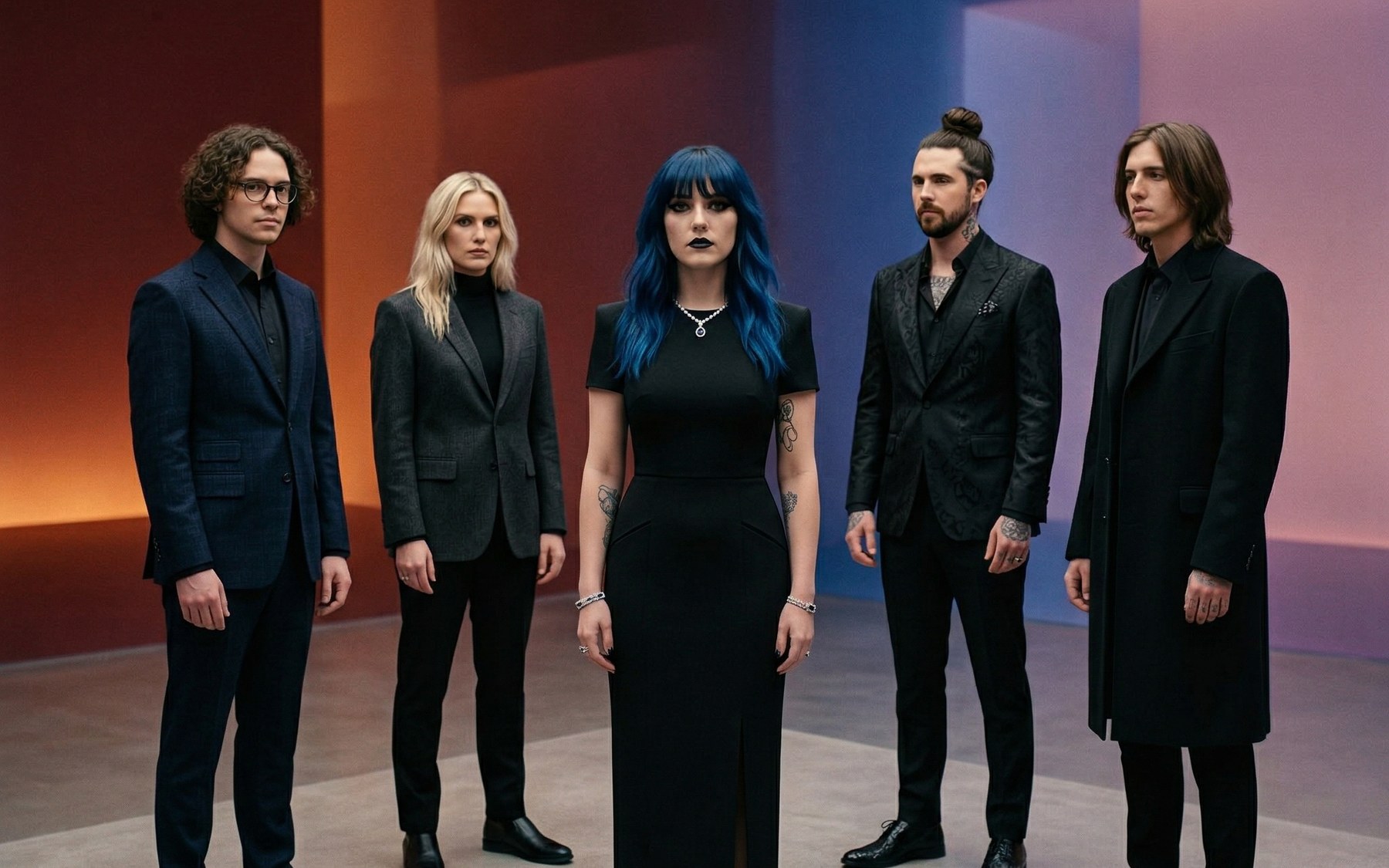
Chicago, Illinois. Hypersonic Heartline sounds like a memory while it's happening.
The band — Piper Madison, Alex Reyes, Tyler Grant, Zoe Kaplan, and Marcus Hale — formed the way most bands form: gradually, then all at once. They are Chicago in the way that Chicago at 2am is Chicago. Not the postcard version. The version that is mostly just streets and wind and the feeling that something important happened here once and the feeling that something important is about to happen again.
The songs came first. They always do with Piper.
"The songs are about people who don't exist. Somewhere along the way, that stopped feeling like a limitation."
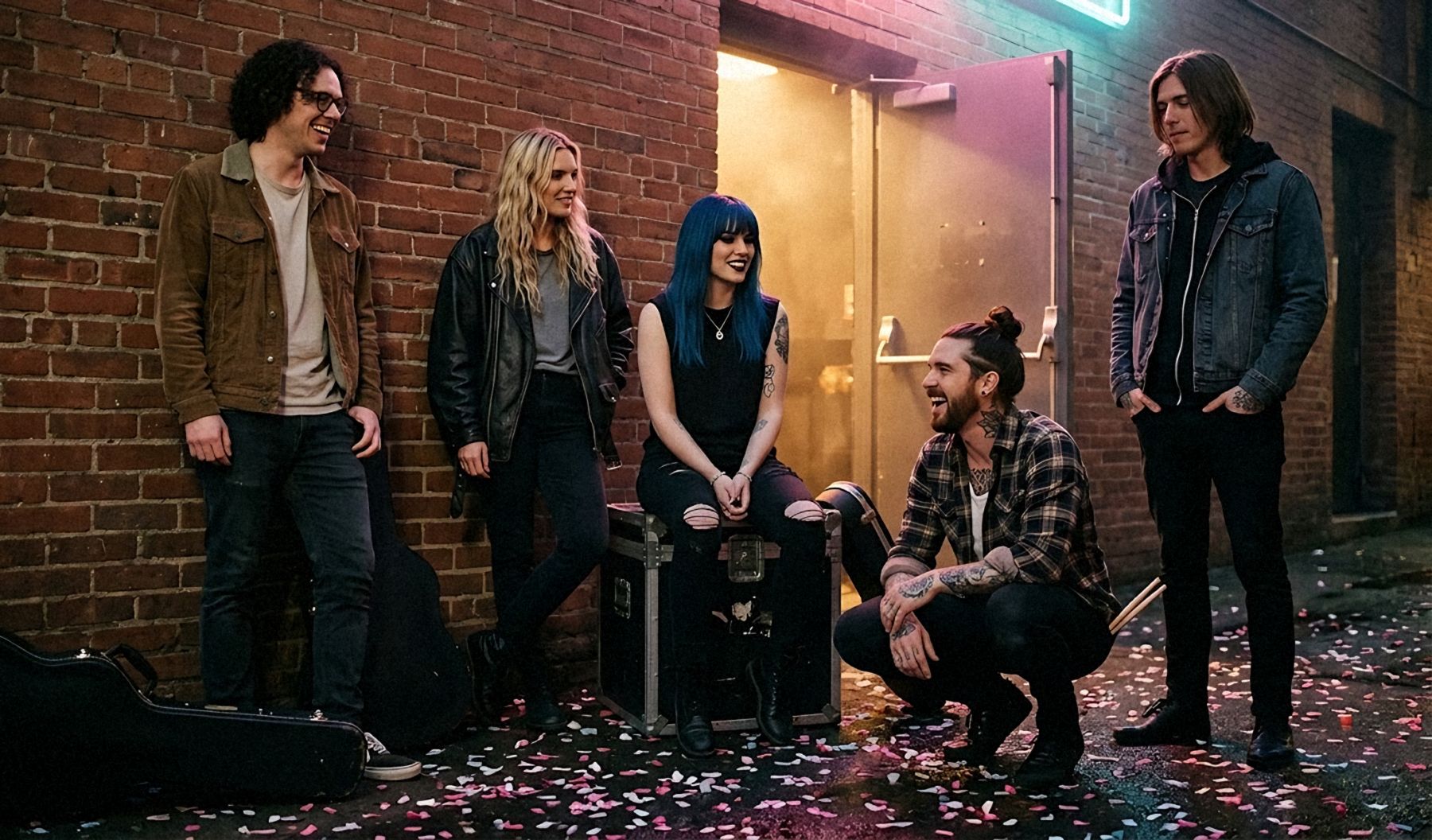

The narrator. Writes songs about people who don't exist. Doesn't see herself as a rock star — sees herself as a writer who ended up somewhere louder than she planned. Grew up in the suburbs west of the city, waiting to leave. Left.

The sonic scientist. Where another producer might have stripped Piper's songs down to their folk-adjacent bones, Alex heard architecture. He heard buildings that hadn't been built yet. Thinks in atmospheres, not riffs.
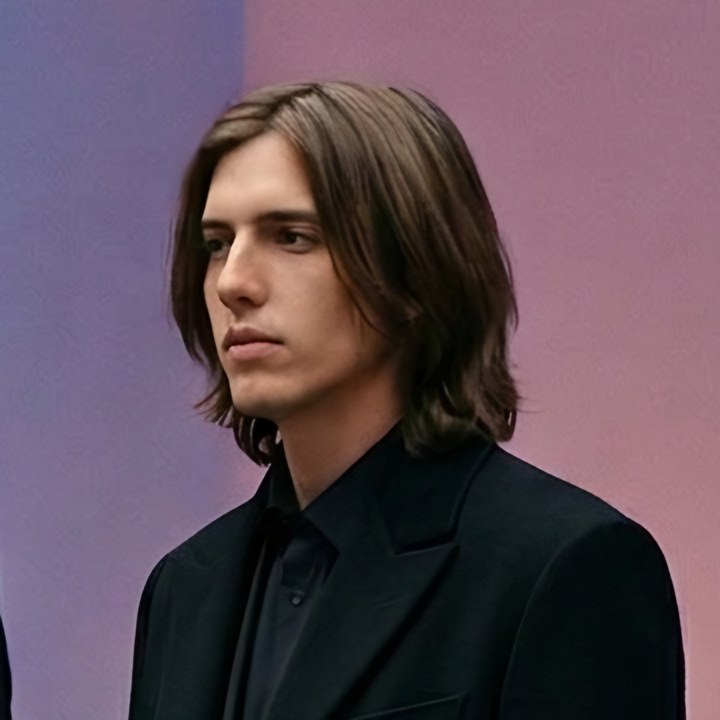
The engine. Grew up playing pop-punk in bands with names that don't bear repeating. Developed an instinct for hooks that could survive a bad PA system. The one who says "this part needs to hit harder." He's usually right.
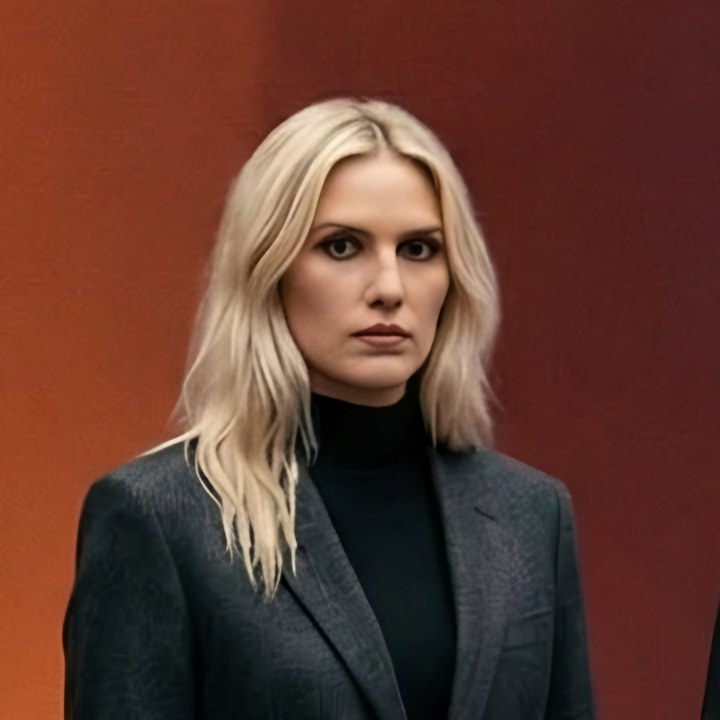
The countervoice. Plays bass with a restraint that is itself a kind of statement — she knows exactly what to leave out. Sings harmonies that don't support Piper's melodies but complicate them. Usually knows what a song is about before Piper does.
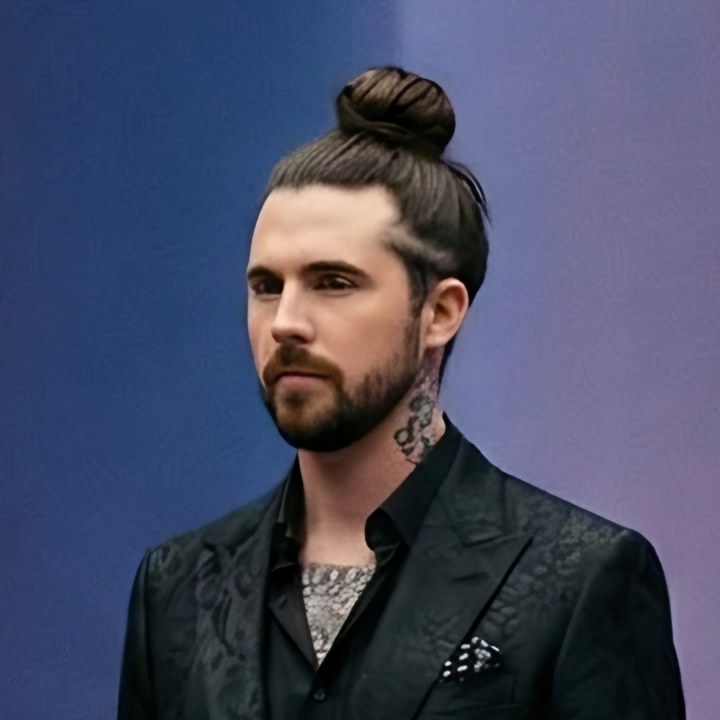
The quiet center of gravity. Jazz background that sneaks into everything he plays — a looseness within structure. When he speaks in band arguments, the argument usually ends. Not because he is forceful, but because he is usually right.
The band is a construct. The songs are real.
I was 7 years old the first time I told my parents I wanted to play the bells.
I did not want to play the bells. No kid has ever, in the history of organized youth music education, wanted to play the bells. They exist because a school district buys a single percussion starter pack and distributes it to every kid who raised their hand for drums, on the theory that drummers must also learn the bells. They cannot. They will not. They refuse. I threw mine in the corner of my bedroom and genuinely do not know what happened to it after that.
What I wanted — what I had always wanted, before I had the language to say it — was the drum set. I was going to spend the next 30 years figuring out exactly what that meant.
My parents came of age in the golden era of popular music without being particularly musical themselves. The Beatles. Led Zeppelin. U2. Madonna. Ace of Base, which I will defend to my dying breath. And in a category by himself: Michael Jackson.
I single him out because that music — specifically "Thriller," specifically the way a Michael Jackson song hits your body before it hits your brain — blew the top clean off my dome at age four. For a kid already obsessing over his parents' CD collection, that was the discovery that changed everything: music isn't just sound. It's rhythm. It's pulse. It's a physical thing your body understands before your mind catches up.
It was 1999. I was 13. Enema of the State was not a music album, exactly. It was a permission slip. Be loud, be fast, be kind of gross, don't take yourself too seriously, and for God's sake make sure the drums are doing something. Travis Barker was my saint — a quiet guy in a band of loudmouths, discipline dressed up to look like chaos. That's the hardest thing you can do.
Our freshman band won the high school battle of the bands. We closed with "Dammit." An upperclassman who was probably the best guitarist in the school came up after to compliment my playing. At 14, that was equivalent to Paul McCartney handing me a Grammy. What it told me was that the thing I heard in my head when I played — that specific feeling of precision inside the noise — was real and audible to someone else. That's all any musician actually wants to know.
Then college happened, and dorm rooms don't fit drum sets. The economy fell apart in 2008. You grind to establish yourself professionally. You get married, you move across the country twice, and suddenly you look up and it's been years since you actually played anything.
Listening to music: always. Making it: gone. Quietly, without a dramatic exit. This is the specific grief of anyone who came of age as a musician in a world that made being a professional musician feel like a fantasy. The implicit contract was: you can have music as a passion, but not as a career. I internalized that so thoroughly I didn't even notice when I stopped fighting it. It wasn't a decision. It was an erosion.
Before you know it, you're 38. Two kids. A mortgage. A dog-eared list of things you used to want to do. Somewhere on that list, barely visible under everything else: play in a band.
About six months ago, I was lying in bed, phone in hand, and stumbled onto a CBS Sunday Morning segment about AI music. I'd been using AI tools heavily in my day job. But music? Hadn't crossed my mind. Felt gimmicky.
I downloaded Suno, pulled up a guitar riff I'd been noodling for weeks, fed it a prompt and waited. About 30 seconds later a track came back. Full production. Vocals, bass, a drum fill that landed exactly where I'd always heard one landing in my head. It was maybe 80% of the thing I'd been imagining. But 80% of the thing you've been imagining, when you've spent 15 years imagining it in silence, is genuinely stunning.
I recognized that feeling. I'd felt it last at 15, in my parents' basement, convinced that if I just nailed the intro fill one more time, everything would be perfect. It wasn't a new feeling. It was an old one that had been sitting in a corner, waiting, the same way a 7-year-old's bells gather dust under a pile of Bulls gear.

The band is called Hypersonic Heartline. I came up with the name watching the opening scene of Top Gun: Maverick. The band has a female lead singer and a female bassist because I've always loved the sound of punk fronted by women, and if I'm building this thing from scratch I'm going to build it how I want it. I invented backstories. Built out their visual identity. Wrote and produced — Suno on production, me on guitar demos and lyrics — 47 songs across four albums' worth of material.
I cannot stop. I don't mean that in the inspirational-poster sense. I mean it clinically. It's 11:30 on a Wednesday night. I have a 4-year-old who wakes up at 6 a.m. and a 6-month-old who wakes up whenever he feels like it. And I am still sitting here in the dark tweaking a bridge on a song that, by any rational accounting of my life, I absolutely do not have time to be tweaking.
Some people hear "AI-assisted concept album" and their eyes light up. Those are my people. Others smile in the specific way that means they're trying hard to be supportive of something they privately believe is unhinged. I respect the effort.
I will never play a sold-out show. I will never have the thing that happens in a room when a real band locks in — that physical, communal electricity that no algorithm has figured out how to fake. I cannot tour. I cannot session. Hypersonic Heartline is a laptop project made by a guy with a day job and two kids who goes to bed at 10:30 on a good night. The market for what I do and the market for what professional musicians do are not the same market.
The debut is called Snake Eyes. Twelve tracks. Fast, melodic, occasionally dark. The first time I played the finished opener — alone, headphones on, sitting at the same kitchen table where I answer work emails and pay bills — I felt something I hadn't felt about my own music since I was a freshman walking offstage after "Dammit." The specific feeling that the thing in your head made it out into the world intact. That's not nothing. That's actually the whole thing.
The kid in my parents' basement with the four-piece kit and the Blink-182 CDs? He's been waiting around a long time. Turns out he just needed a laptop, a few guitars, and an AI that doesn't judge you for staying up past midnight on a Wednesday chasing the version of the song that lives in your head.
I still don't know what happened to the bells. I'm pretty sure I never will. And I'm pretty sure that's fine, because it turns out the thing I wanted all along wasn't the bells. It was never the bells. It was always just the next song.
Process notes, demos that didn't make the album, and occasional essays from a laptop project made in the dark.
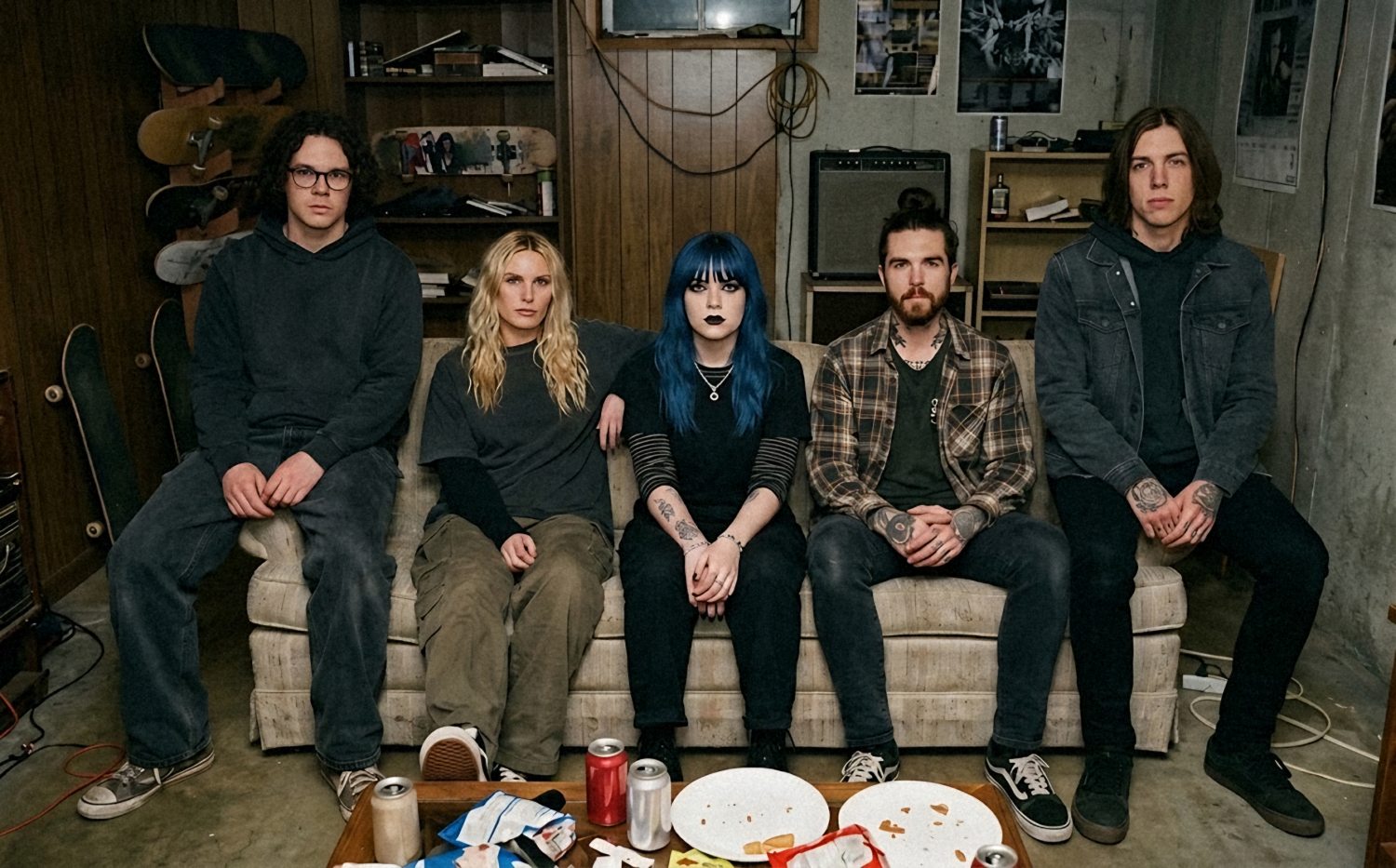
15-week series. One track every Wednesday on Instagram. The whole album built in public.
CompleteFull album streaming now. Twelve tracks. All rights reserved.
● Live NowThe full album is out on Spotify, Apple Music, and all major platforms. Twelve tracks.
CompleteThe second album. Fifteen songs. Out now on Spotify, Apple Music, and all major platforms.
● Out NowThe Demo Wednesdays archive and all ongoing content lives on Instagram. That's where the work happens.